It’ll never mean as much to them as it does to me.
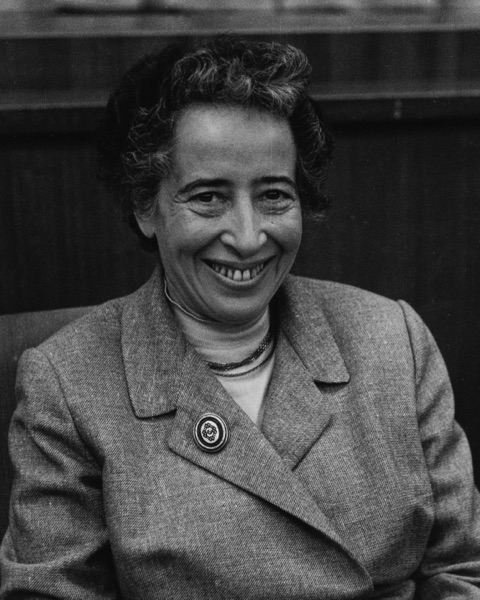
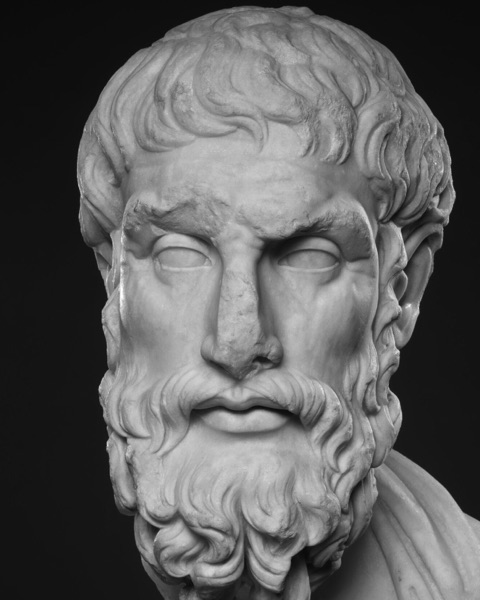
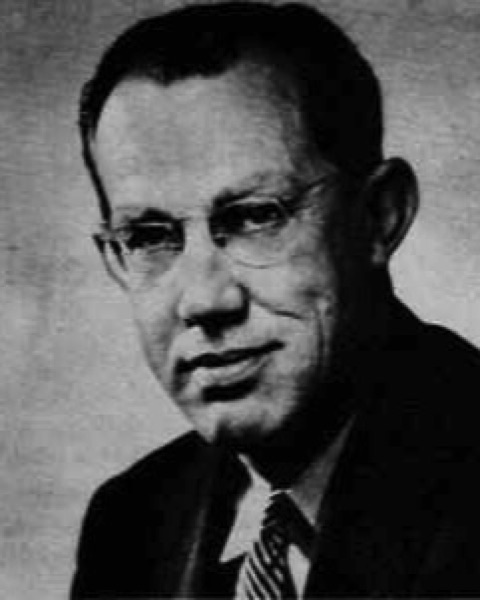
Hannah Arendt 1906–1975
Arendt spent a great deal of time thinking about what it means for human beings to act together.
- What if the people around you can only genuinely participate when they’re free to begin something you haven’t already decided for them?
The argument behind it: Action and beginning
Arendt separates three kinds of human activity: labour, work and action. Action is what we do among other people, and its mark is beginning. Every person is a new start, capable of something nobody could have predicted. She called this natality.
Action is never done alone. Once one person holds all the reins, everyone else stops acting and starts carrying out instructions. On her account, commitment isn’t something you can demand from people. It grows where they have room to begin things themselves.
The Human Condition (1958), chapter 5, ‘Action’
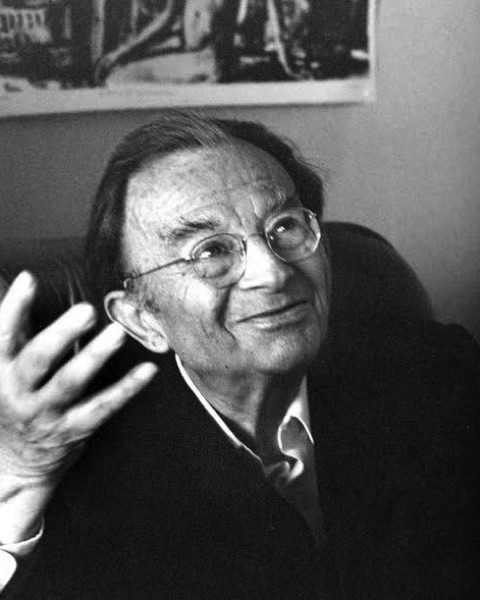
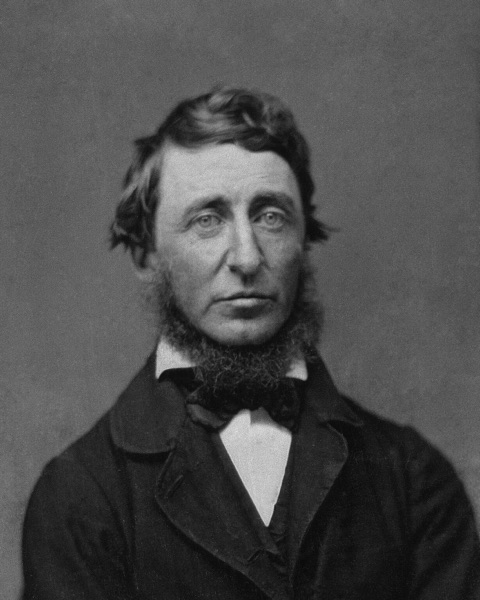
Erich Fromm 1900–1980
Fromm was a psychoanalyst and social philosopher who asked what it does to us to live by having rather than being.
- When you say it’s your business, what exactly do you mean by yours?
- Could your attachment to what you’ve built be influencing how much freedom you’re prepared to give other people?
The argument behind it: Having and being
Fromm describes two ways of living. In the having mode we treat the world as property: our things, our ideas, even our work and our people become possessions to secure and defend. In the being mode we relate to the world through activity, sharing and growth.
Having makes us anxious, because whatever we have can be lost or taken. Fromm thought that anxiety often shows up as control. The more something is ours in the having sense, the harder it becomes to let anyone else make it theirs too.
To Have or to Be? (1976)
Across the table Arendt asks you to leave room. Fromm asks what you’re holding on to.
Then one more, uninvited. It might be:
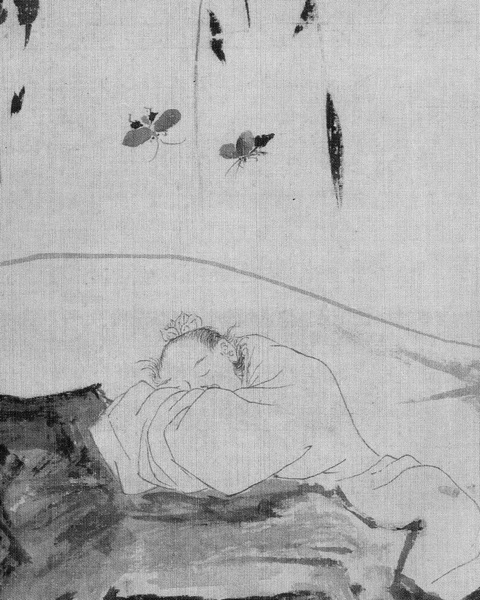
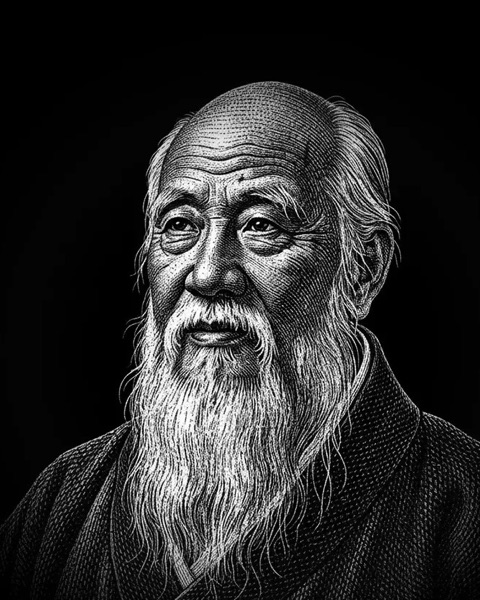
Zhuangzi c. 369–286 BC
A Daoist sage from ancient China who loved showing how much depends on where you’re standing.
- How do you know other people don’t care?
- Could they care about different things?
- What might you be unable to see from where you’re standing?
The argument behind it: The happy fish
Zhuangzi and his friend Huizi are crossing a bridge over the River Hao. Zhuangzi says the fish darting about below are happy. Huizi objects: you’re not a fish, so how can you know what a fish enjoys? Zhuangzi replies: you’re not me, so how do you know what I know?
Zhuangzi gets the last word, but it’s a sly one: he says he knows it from where he’s standing, on the bridge over the Hao. The story is still argued over. What it shows is that every judgement about what someone else feels is made from somewhere, and that the somewhere is easy to forget.
The Zhuangzi, chapter 17, ‘Autumn Floods’
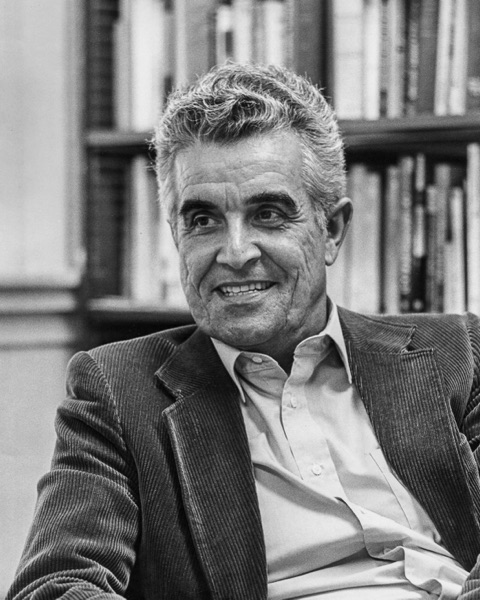
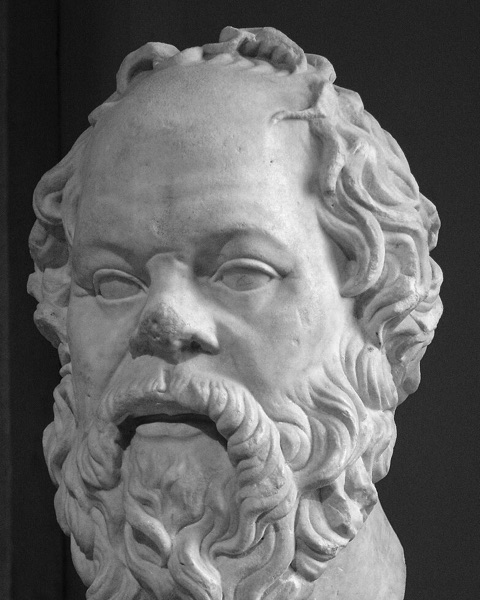
René Girard 1923–2015
A French thinker who noticed that we mostly learn what to want by watching other people want it.
- If they cared exactly as much as you do, about exactly the same things, would that be a team or a set of copies?
- What are you hoping they’ll imitate?
The argument behind it: Borrowed desire
Girard argued that desire is rarely our own invention. We want things because we see someone we admire wanting them. He called this mimetic desire.
It cuts both ways. People can come to share what you want by watching you want it. But when everyone wants exactly the same thing, rivalry follows. A team that cares as you do isn’t the same as a team that wants what you want.
Deceit, Desire and the Novel (1961)
You might leave wondering What would I have to give up for other people to make this their own?