Applied philosopher
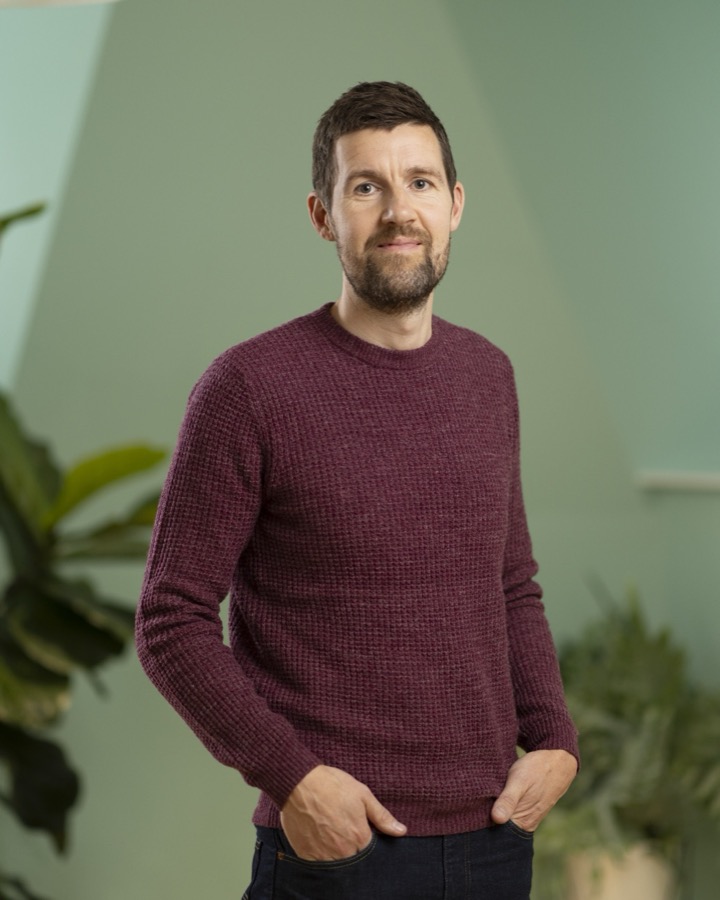
Dr John Stoszkowski
Former senior lecturer, Senior Fellow of the Higher Education Academy, and author of thirty-odd papers on how people think and learn.
LinkedIn- 30+ papers
- Senior lecturer, former
- Reflection, studied
About
We read, write, teach and argue about philosophy for a living.
Syntropise is the bit we like most: sitting with interesting people and following good questions wherever they lead.
Why we do this
wisdom /ˈwɪzdəm/ noun as we use it
[Old English, from wise + -dom]
1By wisdom, we mean learning to judge what matters in the situation you’re actually in.
2That includes recognising the limits of what you know, weighing competing responsibilities and acting without the comfort of a certain answer.
See also syntropy
How it started
| No. | Date | Description | Remarks |
|---|---|---|---|
| 1 | 2002 | Two people meet. | Pair, in good condition. |
| 2 | Then | Separate ways. | Kept in separate collections for twenty years. |
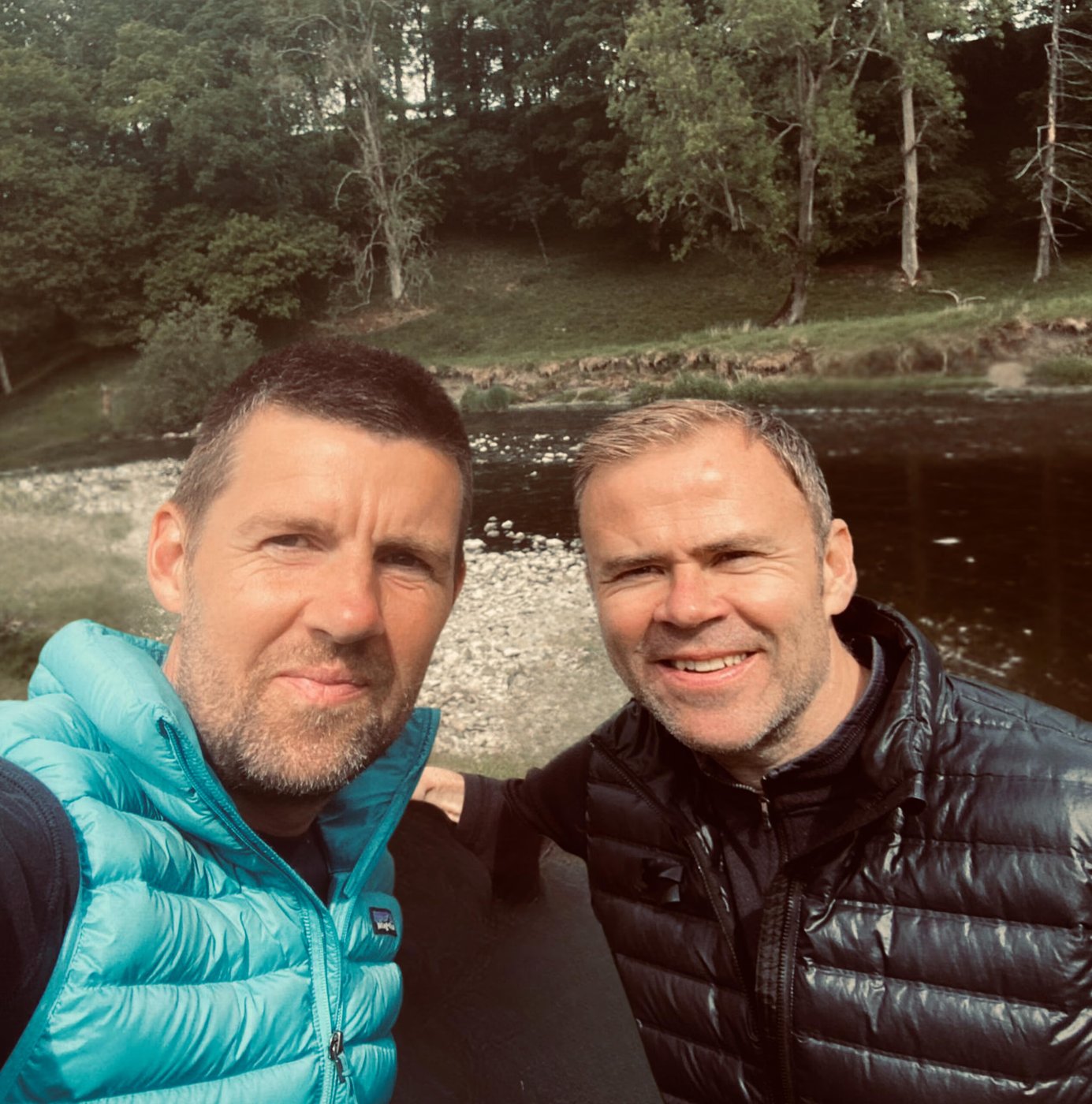
| 3 | Twenty years later | Reconnected through a shared passion for philosophy. | Collection reunited. |
| 4 | Twenty years later | Syntropise. Grew from that reunion. | Accessioned. On display. |
| 5 | Reserved for you. | Ask a curator. |
Keep scrolling. The register writes itself.
In universities, elite sport and business, we kept seeing how much rests on beliefs nobody gets time to examine, and how quickly people get hooked once they do.
So we built somewhere to do it properly.
The curators
Applied philosopher
Former senior lecturer, Senior Fellow of the Higher Education Academy, and author of thirty-odd papers on how people think and learn.
LinkedIn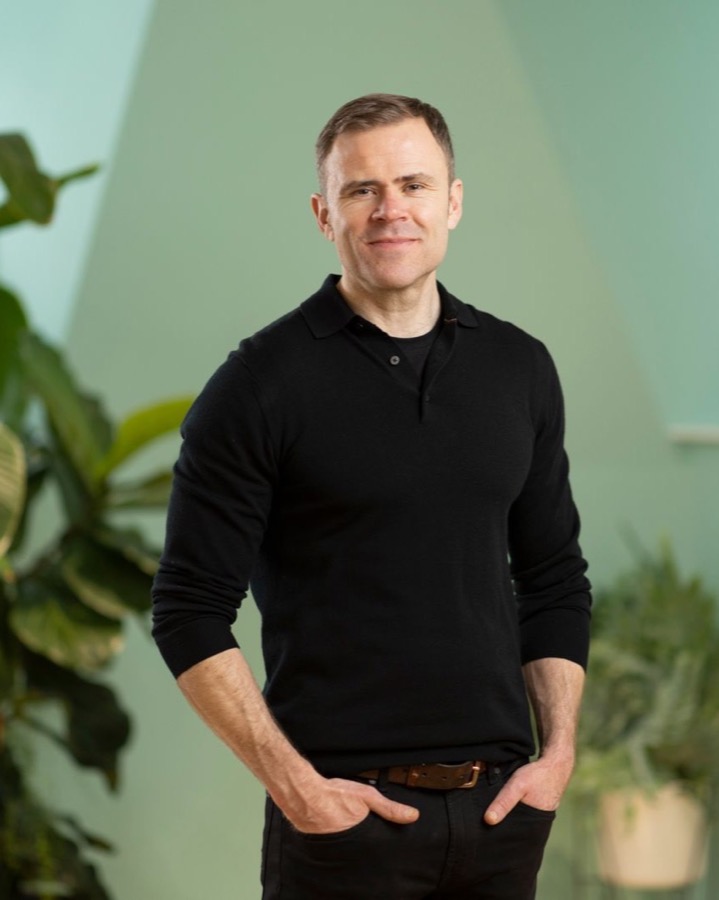
Chartered psychologist
HCPC-registered. Decades inside elite football and rugby, global businesses and senior teams, working on what actually drives behaviour.
LinkedInThe name
Scroll and the type sets itself. Knock it out of line and watch it find its way back.
syntropy
Our work is rooted in syntropology: a philosophy of taking part in a world that’s still taking shape, and creating the conditions for life to flourish and keep developing.
Over the years
The situations we inherit place limits on us. But how we take part can change what becomes possible, for ourselves and for others.
Over the years
Today. Some of your world you chose; some of it you inherited. Where it goes from here depends partly on how you take part.
We’re interested in how we build lives and organisations that help people flourish and open up further possibilities.
You’re welcome to question this philosophy too. Thinking together includes examining our own convictions.
How we work
House rules
No. 1
We see the person, not the title.
Someone who has to decide, act and live with the consequences.
No. 2
We say when we don’t know.
And when we speak with conviction, we hold it lightly enough to revise.
No. 3
Comfort and help aren’t the same thing.
We support you fully, and we’ll still challenge you.
By order of the curators
The object that named us
Maxwell’s demon makes order out of a mess, the opposite of entropy. We named ourselves after that opposite. Take it out of its compartment and try holding the door.
No. 10 in the collection, and the only one kept in this room. See the cabinet
Private viewings by appointment
Tell us what’s on your mind. The first conversation costs nothing, and you don’t need to prepare a thing.
Or write to hello@syntropise.com
Ask yourself
That’s the whole collection examined, every room. Now imagine doing this with your own life, for a year. That’s membership.