
“Amazing. It’s given me a much richer and more integrated way of seeing the world.”
Tim JohnsDirector, Octopus Electric Vehicles
Ultimate accountability brings decisions without clear answers. This is private philosophical counsel for the person who has to make them.
“Amazing. It’s given me a much richer and more integrated way of seeing the world.”
Tim JohnsDirector, Octopus Electric Vehicles
Timeless ideas, brought to bear on the calls that stop with you. Not frameworks or formulas: thinkers who were writing about power, fear and judgement before your industry existed, and will still be read when it’s gone. It tends to matter most in five moments.
You’re leading profound change and need to protect what matters while everything else moves.
The situation has outgrown the frameworks you were taught, and forcing it back into them makes it worse.
The data’s on the table and it still can’t decide. What’s missing isn’t information but judgement.
You want one coherent vision of what you’re building, not a dozen fragments competing for your attention.
Retirement from elite sport. Leaving a company you’ve built. Stepping away from a role that became part of who you are. Sometimes the practical transition is straightforward. The identity transition isn’t.
The kind of question people bring
Every engagement rests on three commitments, held on both sides of the table.
Dismantling the comfortable systems, yours and everyone else’s, that keep the truth of a situation out of view.
Replacing performative honesty with genuine self-examination. What you think, not what survives the room.
Integrity as being of one piece: different roles, without becoming a different moral person in each.
And what emerges is yours.
Judgement you can trust in complexity.
Integrity that holds under pressure.
Resolve that outlasts any tenure.
We don’t install any of this. Nobody can. We build the conditions in which it grows, and it grows in you.
Private, intense, and shaped to your reality. Sessions run two hours because that’s what it takes to get underneath the presenting problem and reach what’s really going on. The rhythm is yours to set, and most engagements begin with five to eight sessions: some finish there, others become a standing monthly practice.
A standing appointment with your own thinking. Enough to catch drift early.
For seasons of growth and change, when the decisions come faster than the clarity.
When the situation is live and the cost of drifting is real.
Fees depend on depth and cadence. We’ll discuss them openly in the first conversation.
Dr John Stoszkowski and Dr David Priestley. Decades across elite sport, business, education and psychology, and one shared conviction: the thinking underneath a leader is what decides everything above it.
Whether you work with one of us or both depends on you and what the work needs. Either way, two minds shape it: two traditions, two angles on the same problem, and no single lens to let the thing you most need to see slip past. And when we’re both in the room, it becomes harder to stay inside the version of the story you arrived with, one of us pressing on the question while the other holds the thread.
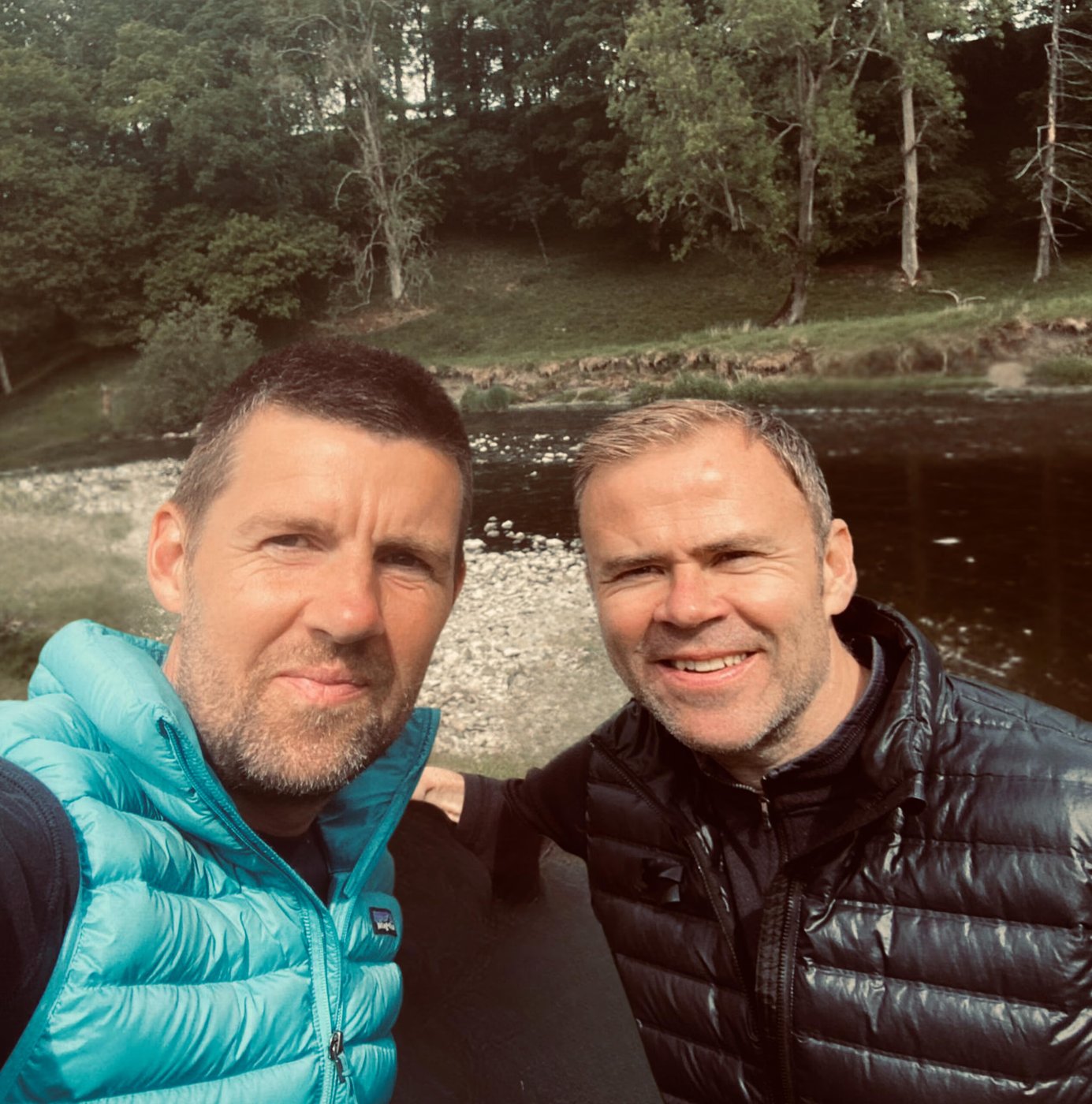



We start wherever you’re most stretched. No framework, no diagnostic, no intake questionnaire. We take the live situation you’re carrying and begin examining it together: what you’re assuming, what you’re avoiding, which competing goods are really in play. Most people leave the first session already seeing the question differently.
No. Coaching tends to work on performance inside your current way of seeing. We work on the way of seeing itself: the assumptions and values underneath the decisions.
It’s not therapy. We don’t diagnose or treat mental-health conditions. Our focus is philosophical: the decisions, values, responsibilities and ways of seeing shaping your life now. The two forms of work can sit alongside one another.
No. We bring the thinkers, stripped of jargon. You bring your reality. The work happens where the two meet.
None that isn’t already yours. The application happens inside the decisions and situations you’re facing anyway.
Better judgement on the calls that shape years, not weeks. Sometimes one decision seen clearly changes the value of the whole engagement. The deeper return is a steadier way of leading that doesn’t leave with us.
Start with a conversation. No is one of the possible answers.
Not ready for that? Try The Self You Are Making, a tool on the self you are actually becoming. Free, about fifteen minutes, and nothing you enter leaves your browser.